
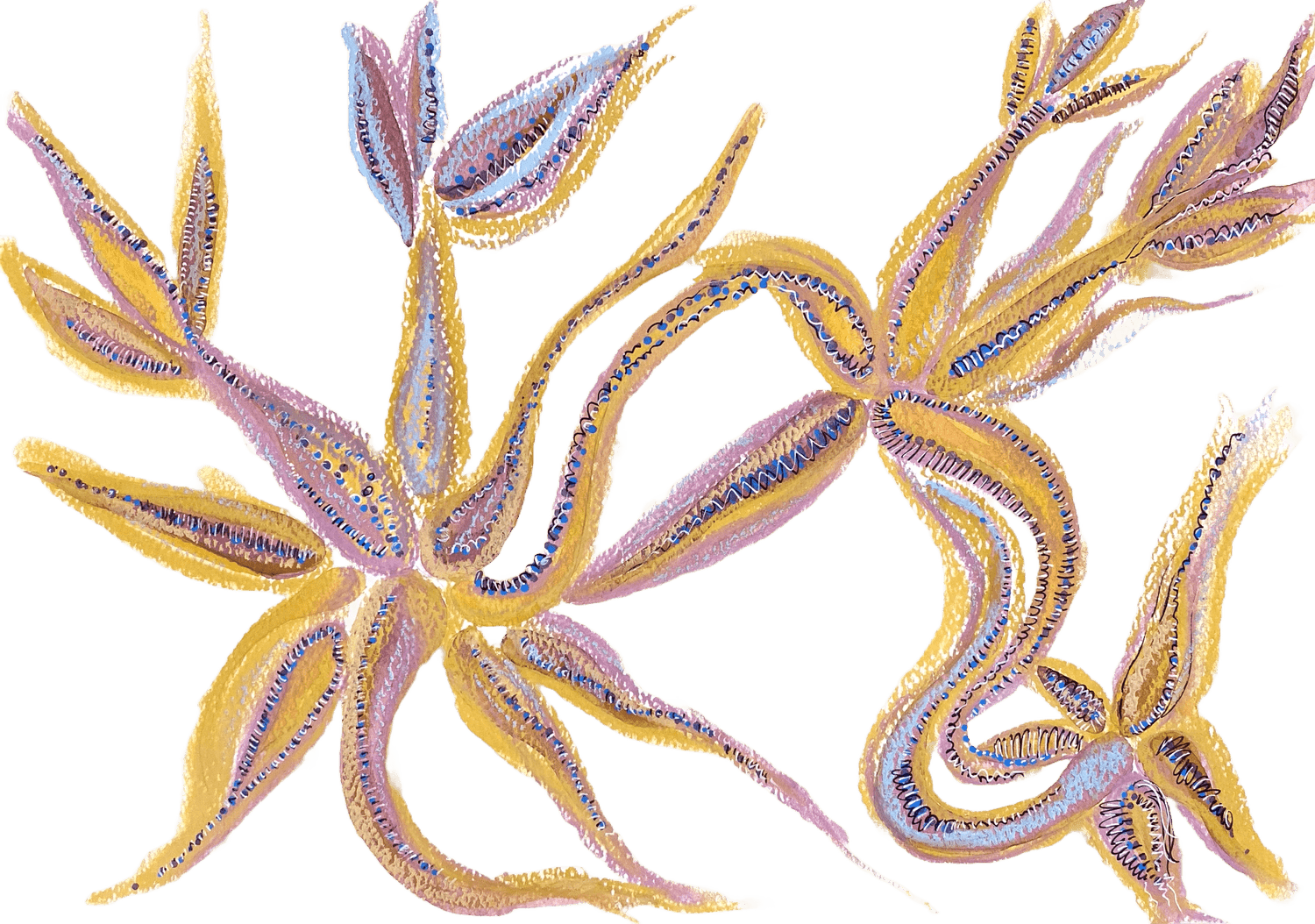
practicing with being for systems leadership
our being is the first instrument we bring to any system
in our systems leadership program with dana shen, we've completed a series of sessions to build our learning community, and then ground our knowledge with conceptual frameworks. our focus is now guided by the systems practice framework [here]. the framework names six areas of systems practice (knowing, being, doing, relating, thinking and perceiving) and the capabilities that practice asks of us. we explore the practice area through concepts and methods, as well as mindfulness meditation. we also run peer coaching clinics where participants bring and explore the leadership challenges they are working through.
being is the inner ground we bring to a system: the nature and essence of who we are as practitioners, shaping what we notice, what we make sense of, and what we decide needs to change. these capabilities ask us to both turn inward to see clearly our own assumptions, location, and subjectivity, and outward to be open to perspectives not our own, the limits of what we know, and paradoxes a system puts in front of us. being is the practice of staying steady in both at once.
evolving our being is developmental work. drawing insight from robert kegan's stages of adult development, we can understand this development to deepen as we go, through a shift in how we think and what we think about, rather than through tools or methods we collect. this is the slow ground beneath systems leadership, and most of us imagine we are further along than we are. across our two sessions we brought into focus how we can practice with our subjectivity and our agency.part of our subjectivity work is noticing and mending the inherited frames of colonized practice: how they narrow what we count as knowledge, hold us apart from the world rather than in relationship with it, and dull capacities of attention and connection, where we can hold decolonization as the antidote. michael yellow bird describes it as restoring the cultural practices, thinking, and values that were taken or set aside but remain necessary, and birthing new ideas, thinking, and ways of living.
through a guided meditation we brought a familiar piece of the natural world to mind and met it again through sight, sound, smell, and touch, a decolonizing practice of reconnection, and of remembering that the natural world is part of us, and we of it.
part of our agency is expressed via the roles we take up in the contexts we operate in. it is there we practice sensing what is happening above and below the surface, in order to ask, 'what role is needed here?' our relationship with roles also holds an element of time: some we hold most dear, closest to who we are and steady across time; some we carry in the contexts we are in right now, at work, in community, in family; and some we hold for the system at large, visionary and long, oriented to the change we hope to help bring about. our sensing work extends to understanding when we can also put it back down, or ensure space for others to step in.
this is how systems leadership becomes a distributed practice, something many people step in and out of as the moment asks.reconnecting with the world and moving among our roles ask the same of us: working toward no fixed identities, but a self continually remade through what we meet. as walt whitman offers, ‘i am large, i contain multitudes’.
what helps you tend to who you're becoming, across the long arc of this work?
